Daily, millions set out on their commutes, seldom mindful of the ecological impact of their transportation decisions. Fuel consumption from vehicles and the subsequent release of emissions into the environment mean that daily commutes significantly add to global carbon levels. Over time, these regular journeys intensify climate change, degrading air quality and adding to greenhouse gas buildup. Recognizing the carbon consequences of each commute is a crucial step toward sustainable check here travel decisions. Understanding their carbon output enables commuters to consider more eco-friendly options. This consciousness fosters accountability, helping society collectively lessen environmental harm.
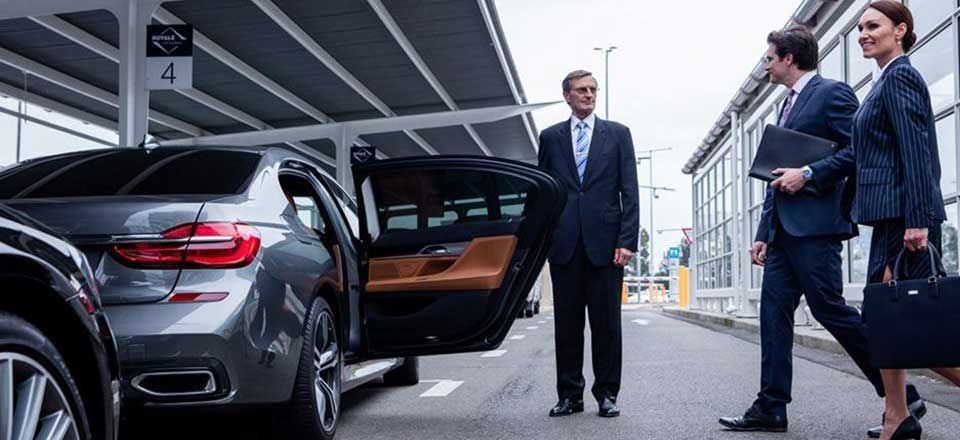
EnviroRide maintains that premium ground travel can combine comfort with sustainability. Every journey is structured to reduce carbon emissions while maintaining a high level of comfort. Our fleet of carefully serviced, energy-efficient vehicles helps mitigate environmental consequences. By prioritizing sustainable practices in our daily operations, we demonstrate that convenience and environmental responsibility can coexist. Passengers experience smooth travel while contributing positively to environmental goals. Selecting a greener commuting method fosters long-term ecological health.
Health Risks Associated with Vehicle Emissions
The environmental impact of commuting is not limited to carbon emissions; air pollution presents a direct threat to public health. Vehicles emit harmful pollutants such as nitrogen oxides, particulate matter, and volatile organic compounds, which can degrade air quality over time. Extended exposure to vehicular pollutants is linked to respiratory, cardiac, and chronic health complications. Those living close to high-traffic areas are especially at risk due to elevated pollutant levels. Reducing emissions from daily commutes helps mitigate these risks, improving air quality for both drivers and pedestrians alike. Choosing green commuting methods is essential for creating safer, cleaner surroundings.
Choosing eco-conscious transport allows people to limit contact with toxic emissions. EnviroRide implements emission-limiting measures through meticulous fleet oversight and optimized driving. Such practices improve air quality while advancing broader environmental goals. Even minor changes in commuting habits can significantly reduce long-term pollution. Raising awareness of the link between travel choices and air quality enables responsible decision-making. In the end, both public health and environmental sustainability depend on conscious commuting decisions.
Managing Resources in Daily Commuting
Each commute draws heavily on nonrenewable energy sources, imposing environmental strain. Extracting and using fuel depletes resources and harms ecosystems. Individual vehicle trips cumulatively contribute to significant ecological stress. Awareness of energy usage fosters the pursuit of greener travel solutions. Managing energy consumption is critical to achieving long-term environmental sustainability and preserving natural resources. Understanding the connection between transportation choices and energy demand helps guide responsible commuting practices.
Efficient use of energy is a cornerstone of EnviroRide’s operations, where every route is carefully planned to maximize fuel efficiency. Through careful route planning and vehicle use, energy consumption is minimized on every trip. Adopting energy-efficient strategies lessens the ecological footprint of commuting. Commuters using our service can rely on a balance of comfort and sustainability, knowing that their journey contributes less to global energy consumption. Thoughtful transportation solutions demonstrate that environmental stewardship can be integrated seamlessly into everyday routines. Every ride can become an opportunity to make a positive contribution toward resource conservation.
Traffic Congestion and Environmental Strain
Traffic congestion is more than just a source of frustration—it has tangible environmental consequences. Stop-and-go driving and extended idling in traffic significantly increase fuel consumption and pollutant emissions. Traffic congestion contributes to elevated noise pollution, influencing human and animal well-being. Urban planners and transportation experts recognize that managing congestion is vital for reducing the environmental strain of commuting. Using strategies like carpooling and high-class transport services reduces the number of vehicles on the road. Optimized commuting practices help minimize both time spent in traffic and environmental strain.
Employing premium ground transport services alleviates congestion in urban centers. Careful scheduling and ride-sharing reduce individual car use and road volume. Fewer cars mean smoother traffic flow, lower emissions, and a smaller environmental burden. Passengers enjoy reliable travel while contributing to less crowded roads. Sustainable transportation planning not only improves travel efficiency but also supports long-term environmental goals. Making responsible commuting decisions creates ripple effects that benefit the broader community.
Advances in Eco-Friendly Vehicle Technology
Technological advancements in vehicle design have a significant impact on reducing the environmental consequences of commuting. Innovations such as hybrid engines, electric drivetrains, and energy-efficient systems allow for lower emissions and reduced fuel consumption. Eco-friendly vehicle systems are now common in high-class transport fleets, reshaping travel norms. Sustainable vehicles not only contribute to cleaner air but also reduce dependency on fossil fuels. Integrating advanced vehicle tech is vital for reducing environmental impact. Transitioning to green vehicles is a tangible contribution to global environmental well-being.
EnviroRide is committed to incorporating advanced vehicle technologies into our fleet, ensuring that each ride is as environmentally responsible as possible. Choosing green vehicles allows EnviroRide to maintain premium service while reducing ecological impact. Clients experience comfort and style while actively supporting environmental stewardship. The integration of green technology into professional transportation services sets a standard for the industry. By choosing vehicles designed for efficiency and sustainability, commuters make a conscious choice to protect the environment. Integrating sustainable innovations contributes directly to enduring environmental improvements.
Driving Sustainable Commuter Behavior
Personal travel decisions significantly affect ecological impact, with behavior being key. Adopting green commuting strategies, including carpooling and professional transport, mitigates ecological strain. Awareness efforts guide commuters toward greener daily travel decisions. Making small adjustments, like reducing unnecessary trips or consolidating errands, compounds into meaningful environmental benefits. Being informed and purposeful fosters responsible commuting. Acknowledging personal influence on ecological health motivates greener travel habits.
EnviroRide promotes awareness of the environmental effects of each journey. Selecting premium ground services combines ease with environmentally responsible practices. Every decision to reduce emissions, conserve energy, or streamline travel contributes to a healthier environment. Behavioral change is not always easy, but with accessible, eco-conscious options, the transition becomes achievable and rewarding. Promoting sustainable travel choices enables collective action for environmental protection. Conscious commuting decisions today ensure a better, cleaner world for tomorrow.
How Responsible Travel Benefits Communities
Sustainable commuting practices extend beyond individual responsibility to encompass community-wide benefits. Reduced traffic emissions improve public health, decrease noise pollution, and create more livable urban spaces. Environmentally responsible transportation choices also demonstrate social leadership, inspiring others to adopt greener practices. Shared commitment to eco-friendly commuting benefits cities, public health, and the environment. Collective accountability strengthens cohesion and promotes ecological stewardship. Every choice influences local and regional environmental outcomes.
At EnviroRide, we recognize that our commitment to high-class ground transportation has a far-reaching impact. Every journey we operate sustainably supports environmental and societal health. Selecting environmentally responsible rides fosters a long-term benefit for the planet. Collectively, we can make everyday travel both luxurious and eco-friendly. Make every commute impactful, supporting comfort and a cleaner planet simultaneously.